
 Enterprise
Which Digital Shelf Lever Actually Moves the Needle? Now Henkel Knows.
Henkel Consumer Brands needed to understand which digital shelf levers actually drive sales — and by how much. Nandu built a machine learning model that turned gut feeling into data-driven investment decisions.
About Henkel
Henkel is a global leader in consumer brands and industrial technologies, operating in 80+ countries with brands like Persil, Schwarzkopf, and Loctite.
“The model gave us what we've been looking for — a data-driven way to prioritise our Perfect Digital Store investments. For the first time, we can see which levers actually move the needle.”
The Challenge
Henkel's Perfect Digital Store strategy spans thousands of SKUs across multiple Amazon markets. The team optimises availability, visibility, and brand experience — but had no way to quantify which lever contributes most to sales. Investment decisions were based on experience rather than evidence. Correlations were visible, but causation was unclear. Delayed effects (e.g. out-of-stock impacting sales weeks later) and diminishing returns made the picture even harder to read.
The Solution
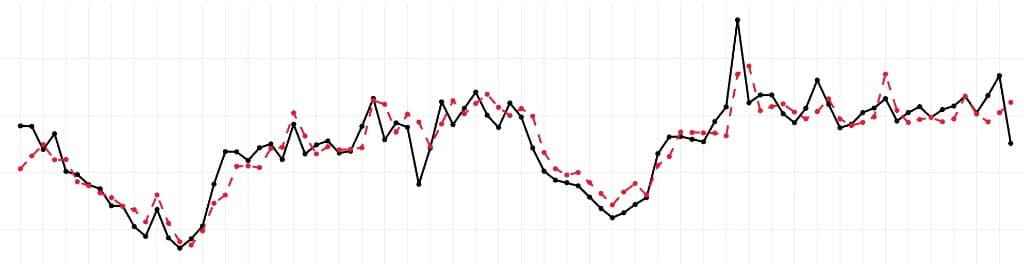
Nandu built a Bayesian Marketing Mix Model on manufacturer-level Amazon data, combining internal digital shelf KPIs with external market factors.
The Results
For the first time, Henkel can allocate digital shelf investments based on quantified sales impact — not intuition.
The model enables scenario planning: what happens to sales if we improve availability by 5%? If we shift budget from paid to organic search?
Must-Have SKUs and Ratings & Reviews identified as strongest sales drivers. Organic search outperforms paid in contribution — reshaping priorities.
Ready to see similar results?
Join Henkel and other industry leaders who trust Nandu.